

At Hameed Latif Hospital, we recognize that the ability to communicate and swallow safely is fundamental to human dignity and independence. Whether it’s expressing thoughts, understanding others, or safely eating and drinking, communication and swallowing are essential parts of everyday life.
Speech Therapy
14- Abu Baker Block, New Garden Town, Lahore
Visit us at our physical location for medical care
For more information call+92 (42) 111-000-043
Don’t hesitate to contact us for assistance with anything
- CONTACT US
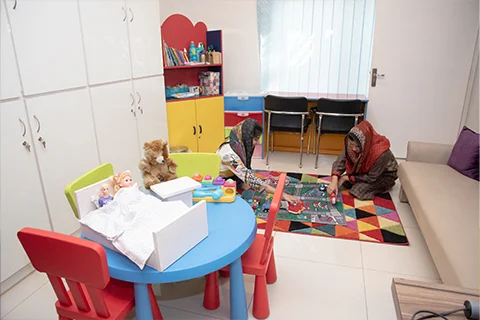
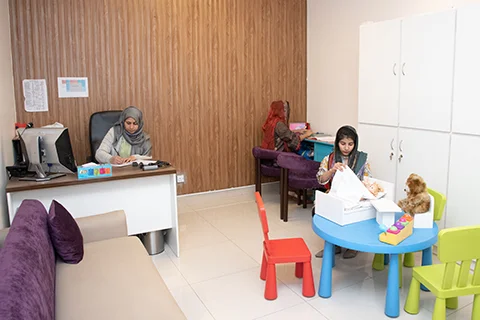
Department of Speech Therapy and Language Therapy
Our Department of Speech and Language Therapy provides expert evaluation and evidence-based treatment for individuals facing speech, language, communication and swallowing difficulties due to a range of medical and developmental conditions. We serve both paediatric and adult populations, including those affected by stroke, traumatic brain injury (TBI), Parkinson’s disease, dementia, and other neurological or developmental disorders.
Why Refer to a Speech and Language Therapist?
Timely referral is essential for effective recovery and rehabilitation, especially after acute neurological events such as stroke or brain injury. Adults should be referred if they experience:
- Aphasia– difficulty with language expression or comprehension following a stroke or brain injury
- Dysarthria– slurred or imprecise speech caused by weakness or incoordination of the speech muscles
- Apraxia of Speech– impaired ability to plan and sequence speech movements
- Dysphagia– difficulty swallowing, which can lead to aspiration or nutritional issues
- Communication or voice changes due to Parkinson’s disease, multiple sclerosis, ALS, or head and neck cancer
- Language and memory issues associated with dementia or cognitive-communication disorders
Children should be referred if they:
- Have delayed or unclear speech
- Struggle with understanding or using language
- Exhibit stammering, voice issues, or poor social communication
- Have difficulties with feeding or swallowing (pediatric dysphagia)
When to go for Professional assessment
- The child finds it difficult to understand people and string words to make sentences at age level. (Language Delay)
- Attention and listening concerns
- Restless and behavioral concerns
- Poor academic performance
- Child seems to get stuck on words
- Childs voice sounds strange /hoarse/creaky
- Child finds it difficult to make friends
- Hearing impaired
- Mild to moderate Learning disabilities
- Stammering
- Dyspraxia
- Dyslexia
- Limited social skills
- Eating , drinking and swallowing difficulties
Our team works together to rehabilitate the following conditions:
- Stroke
- Parkinsons,
- Dementia
- Alzheimer
What Is Speech and Language Therapy?
Speech and language therapy involves the assessment, diagnosis and rehabilitation of speech, language, communication, voice, cognitive-communication, and swallowing disorders. Our goal is to enhance quality of life, independence and participation in daily life.
Specialised Areas of Therapy:
- Aphasia therapy– helping stroke or brain injury patients recover language skills
- Dysarthria management– improving clarity and strength of speech
- Dysphagia therapy– addressing swallowing safety and rehabilitation
- Voice therapy– treating hoarseness, vocal strain, or loss of voice
- Fluency therapy– supporting individuals who stammer
- Language intervention– enhancing comprehension and expression
- Cognitive-communication therapy– for memory, attention, and problem-solving difficulties after TBI or in dementia
Speech and language therapy involves the assessment, diagnosis and rehabilitation of speech, language, communication, voice, cognitive-communication, and swallowing disorders. Our goal is to enhance quality of life, independence and participation in daily life.
Our Multidisciplinary Team Includes:
- Certified Speech-Language Pathologists
- Clinical Psychologists for emotional and behavioral support
- ENT Specialists, Neurologists and Rehabilitation Physicians for comprehensive management
Who Are Speech-Language Pathologists (SLPs)?
Speech-Language Pathologists (also known as speech therapists or speech pathologists) are qualified healthcare professionals who specialize in:
- Assessment and therapy for communication and swallowing issues
- Designing personalized rehabilitation plans
- Educating families and caregivers for continued support
Treatment Programs Offered:
- Post-stroke language and communication rehabilitation
- Swallowing retraining programs, including *FEES-based* or modified diet guidance
- Fluency shaping for stuttering
- Pediatric therapy for speech and developmental delays
- Extensive therapy plans given for clients with mental health issues related and how it effects communication
Evidence-Based Programs
When Should You Consult a Speech Therapist in Lahore?
You or your loved one should consider speech therapy if:
- There is sudden or gradual loss of speech after a stroke or injury
- Swallowing becomes painful, difficult, or unsafe
- Communication is effortful or unclear
- A child is not speaking or understanding language age-appropriately
- Social interaction and communication seem limited
- There are voice changes affecting daily communication
Best Speech and Language Therapists in Lahore
At Hameed Latif Hospital, we take pride in offering access to some of the most experienced speech-language therapists in Lahore. Our clinicians are certified by relevant national and international bodies and trained in both traditional and innovative therapy approaches. We create individualized treatment plans based on the latest clinical evidence and patient goals.
Additional information/FAQs
1- Is there a difference between a speech therapist and a speech pathologist?
No. Both terms are used interchangeably. “Speech-language pathologist” is the formal, technical designation.
2- At what age should speech therapy begin?
Speech therapy can begin as early as *18 months* for developmental concerns. For adults, *therapy should begin as soon as possible* after an event such as a stroke.
3- Can adults benefit from speech therapy?
Absolutely. Adults recovering from stroke, brain injury or dealing with progressive conditions like Parkinson’s or dementia can make meaningful gains with the right therapy.
4- What is dysphagia, and why is it serious?
Dysphagia is difficulty swallowing. It can lead to aspiration pneumonia, malnutrition and decreased quality of life. A speech-language pathologist is trained to manage and rehabilitate swallowing safely.
5- What is aphasia?
Aphasia is a language disorder caused by brain damage, typically after a stroke. It affects a person’s ability to speak, understand, read, or write, but not their intelligence. Therapy helps regain communication function over time.

Doctors
Please call +92 (42) 111-000-043
Or contact us via email form below
© 2026 Hameed Latif Hospital. All rights reserved. Powered by Synite Digital