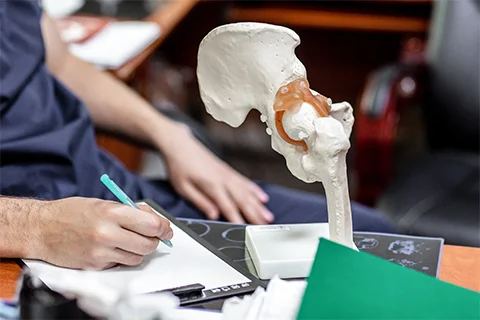
Our collaboration between pediatricians and rheumatology doctor specialists ensures integrated, family-centered care.
Rheumatology is a branch of internal medicine that deals with the diagnosis and therapy of rheumatology diseases, which typically affect the joints, soft tissues, autoimmune system, and connective tissues.
Understanding rheumatology meaning is essential—it refers to the study of disorders that involve inflammation or pain in the muscles, joints, and fibrous tissue. These can range from common conditions like osteoarthritis to complex autoimmune diseases like rheumatoid arthritis and lupus.
A rheumatology doctor treats over 100 different diseases. Some of the most commonly seen conditions include:
- Rheumatoid arthritis
- Systemic Lupus Erythematosus (SLE)
- Psoriatic arthritis
- Ankylosing spondylitis
- Vasculitis
- Osteoporosis
- Gout
- Myositis
These diseases can severely impact quality of life if not managed appropriately. Most of them are chronic and require long-term care.
Our rheumatology doctor team at Hameed Latif Hospital provides treatment for:
- Rheumatoid arthritis – An autoimmune condition affecting multiple joints
- What is arthritis – A general term for joint inflammation, which can result from several causes
- Gout – Uric acid buildup causing joint pain
- Lupus – A complex autoimmune disease
- Treatment of autoimmune disorders such as vasculitis, scleroderma, and dermatomyositis
- Osteoporosis – Weak and brittle bones
- What causes arthritis – Causes range from genetics to infections and autoimmune responses
Our approach combines medication, physical therapy, and lifestyle changes for long-term relief and mobility improvement.
Hameed Latif Hospital is considered the best hospital for rheumatology in Lahore due to:
- Expert consultants in adult and pediatric rheumatology
- Comprehensive diagnostic services including blood tests, imaging, and biopsy
- Advanced treatment options like biologics and Platelet Rich Plasma (PRP) therapy
- Personalized patient care plans
With a multidisciplinary setup and a patient-centric approach, we ensure compassionate and effective treatment for all rheumatology diseases.
A rheumatology doctor, or rheumatologist, is a medical specialist who diagnoses and treats rheumatology diseases, including arthritis and other musculoskeletal conditions. They focus on diseases that cause inflammation and degeneration in joints and soft tissues.
If you’re experiencing joint stiffness, unexplained fatigue, or chronic pain, a rheumatologist can help diagnose and manage your condition before it worsens.
You should consider seeing a rheumatology doctor in Lahore if you experience:
- Chronic joint or muscle pain
- Morning stiffness that lasts over 30 minutes
- Swelling or warmth in the joints
- Family history of autoimmune disorders
- What causes arthritis in your case is unknown and requires professional evaluation
Early referral can prevent permanent joint damage and improve your long-term prognosis.
At Hameed Latif Hospital, we pride ourselves on having the best rheumatologists in Lahore, offering evidence-based treatments for complex rheumatic conditions. Our experts are trained in advanced therapies and follow global best practices to ensure optimal patient outcomes.
1- How to become a Rheumatologist in Pakistan?
To become a rheumatology doctor in Pakistan, one must first complete an MBBS degree followed by a residency in internal medicine. Afterward, a fellowship or specialized training in rheumatology is required, usually offered by leading medical universities or international programs.
2- What are rheumatologists called in Pakistan?
In Pakistan, they are commonly known as rheumatology specialists, rheumatology doctors, or simply rheumatologists. These are consultants trained to diagnose and treat complex autoimmune and joint diseases.
3- How do I choose a Rheumatologist?
Look for qualifications, years of experience, patient reviews, and the hospital affiliation. Always ensure the doctor is trained in rheumatology and is up to date with modern treatment methods for conditions like rheumatoid arthritis.
4- How to avoid rheumatoid?
While you can’t always prevent rheumatoid arthritis due to genetic factors, you can reduce your risk by quitting smoking, eating an anti-inflammatory diet, staying physically active, and managing stress levels.
5- What’s the difference between arthritis and rheumatism?
What is arthritis refers to joint inflammation, which may be due to wear and tear (like osteoarthritis) or autoimmune causes (like rheumatoid arthritis). Rheumatism is a more general term historically used to describe joint or muscle pain and inflammation, and it encompasses various rheumatology diseases.
Or contact us via email form below