

The Infectious Diseases Department at Hameed Latif Hospital is dedicated to the diagnosis, management, and prevention of complex infection-related conditions. Our multidisciplinary team offers world-class care for patients suffering from viral, bacterial, fungal, and parasitic diseases, making our hospital a leader in managing infectious diseases in Lahore.
Infectious Diseases Department
14- Abu Baker Block, New Garden Town, Lahore
Visit us at our physical location for medical care
For more information call+92 (42) 111-000-043
Don’t hesitate to contact us for assistance with anything.
- CONTACT US


Infectious Diseases Department
We not only treat illnesses but also work proactively to control the spread of contagious diseases in the community and within our hospital environment.
Prevention & Vaccination
Preventing infection is just as important as treating it. Our team provides immunization services for high-risk individuals, especially those who are immunocompromised or frequently exposed to infectious disease risks.
Hospital Infection Control & Quality Assurance
Our department plays a central role in the hospital’s Infection Prevention Committee. By implementing strict protocols and monitoring standards, we work tirelessly to reduce hospital-acquired disease and infection. Quality assurance programs help maintain compliance with international guidelines to ensure the safety of patients and staff.
Our Expertise:
Our specialists provide advanced care for:
- HIV/AIDS
- Hepatitis B & C
- Opportunistic infections in immunocompromised patients, including transplant recipients and chemotherapy patients
- Tuberculosis, including drug-resistant forms
What are infectious diseases?
Infectious diseases are disorders caused by microorganisms such as bacteria, viruses, fungi, or parasites. These organisms are often harmless or even helpful, but under certain conditions, they can cause illness. Some infectious diseases are contagious diseases, meaning they can spread from one person to another.
At Hameed Latif Hospital, we provide leading-edge diagnostics and care through our specialized infectious diseases department in Lahore.
Types of infectious diseases
There are several types of infectious diseases, including:
- Bacterial infections (e.g., tuberculosis, strep throat)
- Viral infections (e.g., hepatitis, HIV/AIDS, COVID-19)
- Fungal infections (e.g., candidiasis, aspergillosis)
- Parasitic infections (e.g., malaria, giardiasis)
Each of these requires specific treatment strategies and preventive measures.
Common infectious diseases
The most frequently encountered infectious diseases in Lahore and globally include:
- HIV/AIDS
- Hepatitis B and C
- Influenza
- Tuberculosis
- COVID-19
- Dengue fever
- Gastroenteritis
- Urinary tract infections (UTIs)
Our department is fully equipped to manage these and other contagious diseases, ensuring high-quality care and safety.
Causes of infectious diseases
Infectious diseases are caused by:
- Bacteria (e.g., Salmonella, E. coli)
- Viruses (e.g., Influenza, Hepatitis)
- Fungi (e.g., Candida)
- Parasites (e.g., Plasmodium causing malaria)
These pathogens can enter the body through contaminated food, water, air, insect bites, or direct contact with infected individuals, making many such illnesses highly contagious diseases.
Symptoms of infectious diseases
Symptoms vary depending on the type of infection, but general symptoms can include:
- Fever
- Fatigue
- Muscle aches
- Diarrhea or vomiting
- Cough and sore throat
- Skin rashes
Early diagnosis and treatment are critical to managing disease and infection effectively.
How are infectious diseases diagnosed?
Diagnosis often involves:
- Blood tests
- Urine cultures
- Imaging studies
- Biopsy or swab tests
- PCR testing for viruses like COVID-19 and Hepatitis
At our infectious diseases department in Lahore, we use cutting-edge diagnostics to pinpoint the cause and guide effective treatment.
How are infectious diseases treated?
Treatment depends on the type of infection:
- Antibiotics for bacterial infections
- Antivirals for viral diseases
- Antifungals for fungal infections
- Antiparasitic medications for parasitic conditions
Supportive care like IV fluids, pain relief, and isolation (for contagious diseases) are also critical components of therapy.
Difference between infectious diseases and noninfectious diseases?
Infectious diseases are caused by pathogens and can spread from person to person, whereas noninfectious diseases (like diabetes or hypertension) are not caused by organisms and are not contagious. Proper hygiene, vaccination, and healthcare access are essential in preventing the spread of disease and infection.
Additional information/FAQs
1- What is infectious disease?
An infectious disease is a medical condition caused by bacteria, viruses, fungi, or parasites. These diseases can spread through direct contact, airborne particles, or contaminated food and water.
2- Why is it called infectious disease?
It is termed infectious because it involves pathogens that can be transmitted between individuals or from the environment, making them potentially contagious diseases.
3- What is a noninfectious disease?
Noninfectious diseases are not caused by pathogens and do not spread from person to person. Examples include heart disease, diabetes, and cancer.
4- How to check infection in the body?
Doctors may perform physical exams and order tests such as blood work, imaging, cultures, or PCR tests to detect the presence of infection in the body.
5- What are the 4 stages of infection?
The stages are:
- Incubation period – Pathogen enters but no symptoms yet
- Prodromal stage – Early mild symptoms appear
- Illness stage – Full symptoms manifest
- Convalescence – Recovery begins as the body fights the disease
Our Team
-
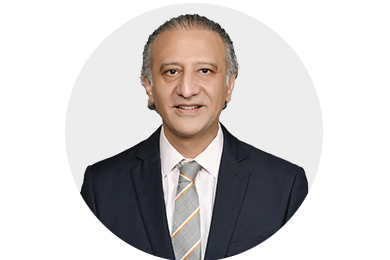
Dr. Ashraf Ali Khan
Specialty Infectious Diseases and Internal Medicine Degrees MBBS, Internal Medicine Residency, Fellowship in Infectious Diseases, DABIM (Internal Medicine), DABIM (Infectious Diseases – Subspecialty) Areas of Expertise - Bacterial Infections
- Viral Infections
- Fungal Infections
Clinic - Appointment Number 042111000043

Please call +92 (42) 111-000-043
Or contact us via email form below
© 2026 Hameed Latif Hospital. All rights reserved. Powered by Synite Digital